
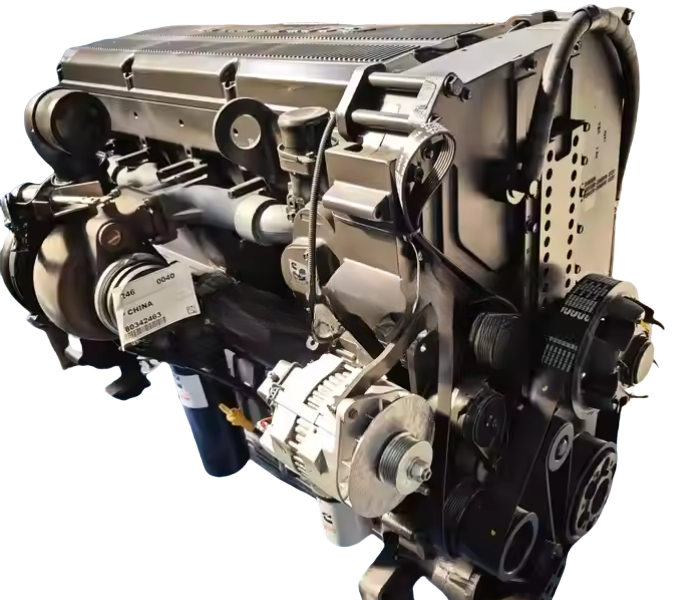
When a customer asks whether a remanufactured engine is a downgrade, the honest answer is that the term covers very different things. A ReCon engine from Cummins is not a workshop rebuild, and it is not a used engine with a new head fitted. It is a genuine Cummins engine that has been completely disassembled, inspected, cleaned, tested and painted, then rebuilt to like-new condition in a Cummins remanufacturing facility.
The definition, in Cummins’ own words
ReCon parts originated from a Cummins engine and have gone through disassembly, inspection, cleaning, calibration and testing to ensure they meet the same specifications as new Cummins parts. ReCon parts are then offered for individual sale, or used to build Cummins ReCon engines. A ReCon engine is built with the latest ReCon or new parts, carries warranty coverage, and has zero hours and zero miles on the clock.
Why remanufacture at all
There are three reasons that matter commercially, and they are not the same as “cheaper”.
1. It gets the machine back to work faster
A ReCon engine is often already in stock or ordered for quick turnaround at a Cummins distributor or authorised dealer. A full engine build from scratch has to wait for a production slot, a shipping slot and a customs slot. On a machine that earns money every hour it runs, the difference between two weeks and two months is usually the whole argument.
2. It includes the latest engineering updates
A rebuilt engine carries current ReCon or new components, which means current engineering improvements rather than the older parts that were fitted when the engine was first built. For an engine that was originally supplied a decade ago, this is a meaningful difference in durability expectations.
3. It is far better for the environment
Up to 85 percent of an engine can be remanufactured, and Cummins engines are designed to be remanufactured more than once. Extending the life of an engine consumes considerably less energy and fewer natural resources than manufacturing a new one, which is a large part of the reason the process exists at all.
How ReCon compares on paper
| New engine | ReCon engine | Workshop rebuild | |
|---|---|---|---|
| Core | New | Original Cummins, fully stripped and inspected | Usually the failed engine itself |
| Hours on the clock | Zero | Zero | Whatever the engine had |
| Engineering updates | Latest | Latest | Depends on the parts used |
| Warranty | Full | Full, with extended coverage options | Component by component |
| Turnaround | Production slot | Often stock or fast turnaround | Workshop schedule |
| Cost relative to new | 100 percent | Lower | Variable |
Where it fits in your fleet plan
ReCon is usually the strongest answer in three situations: an engine has failed and the machine cannot wait for a new build; a machine is due for a planned rebuild and you want zero hours on the replacement; or a customer needs a unit today rather than in four months. It is also the normal answer for engines leaving a mining or generator application, where a documented zero-hour unit with warranty removes the argument about what the previous owner did to it.
See the Cummins complete engine assemblies we currently hold, or read about genuine versus ReCon versus aftermarket parts for the part-level picture. For a quotation, send us the engine model and serial number — see how to quote Cummins parts online.
